The CCDC Effect Episode 1 Recap
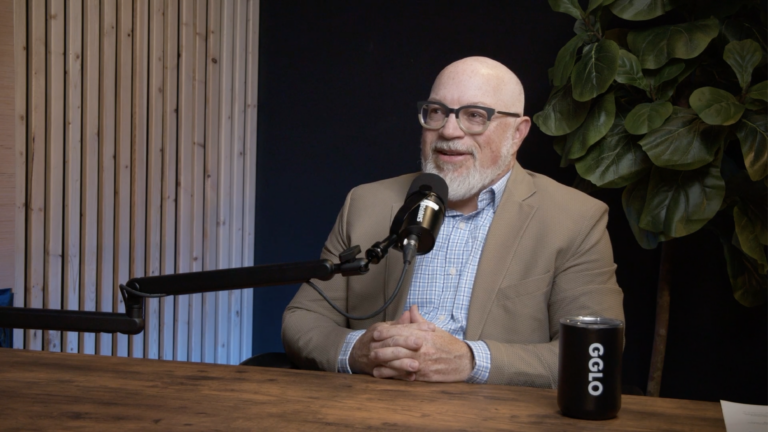
In the first episode of The CCDC Effect, CCDC Executive Director John Brunelle interviewed Development Director Doug Woodruff about the role urban renewal has played in shaping downtown Boise. Their conversation explored public spaces, walkability, bicycle infrastructure and the public-private partnerships that have helped transform the city.
Woodruff joined CCDC in 2014 after working in Salt Lake City as an urban designer and landscape architect. With deep family roots in Idaho and a master’s degree in real estate development, he saw CCDC as an opportunity to combine his design background with his interest in private development. He initially joined the agency as a capital project manager, with The Grove Plaza renovation becoming one of his first major assignments.
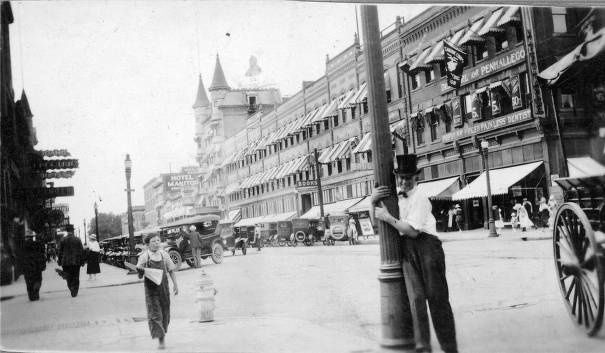
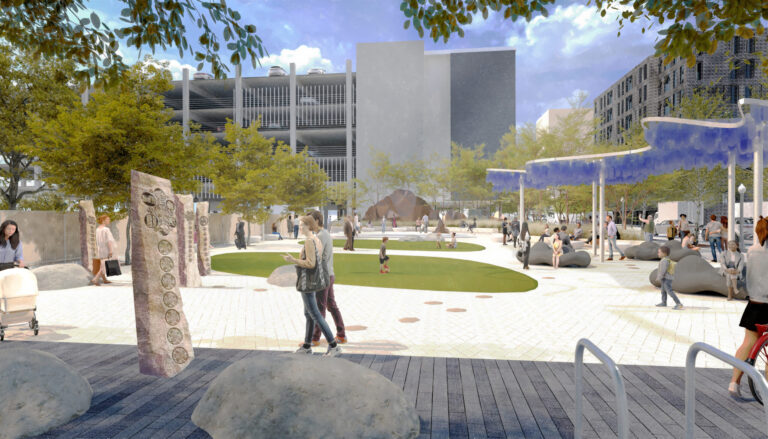
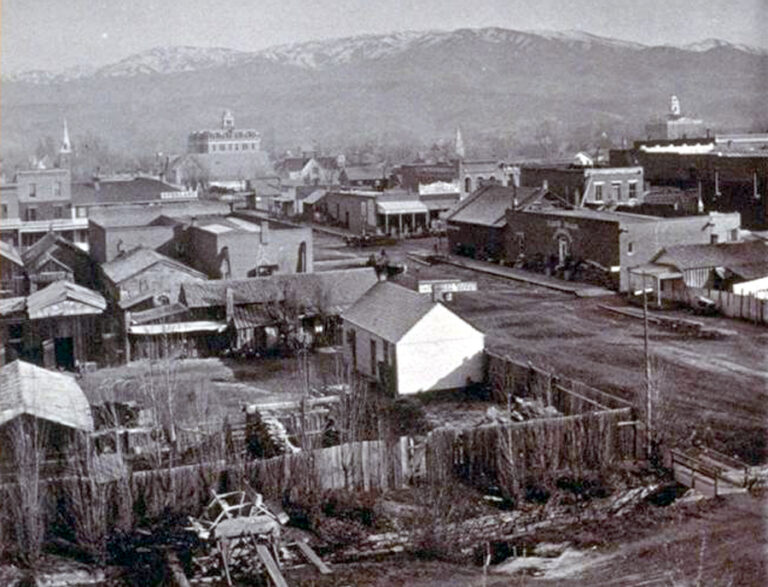
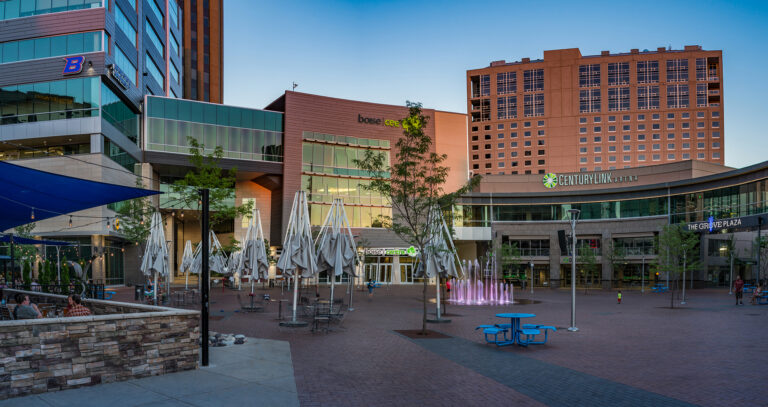
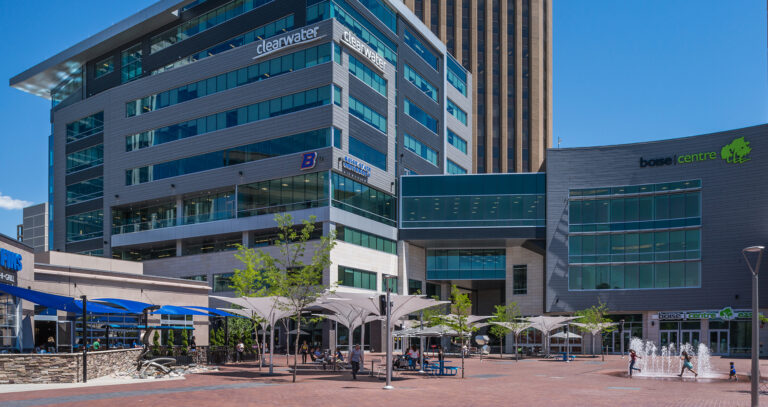
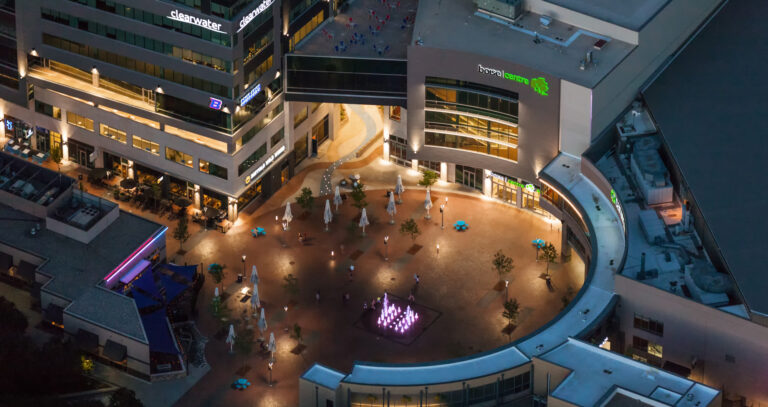
The Grove Plaza demonstrated how long-term public investment could help catalyze private development. First constructed in the 1980s, the plaza established a civic gathering space at a time when much of the surrounding area consisted of vacant lots and surface parking. Over the following decades, development gradually filled in around it.
The plaza’s renovation involved coordination among CCDC, the Greater Boise Auditorium District, Valley Regional Transit, the City of Boise and Gardner Company. The partnership supported the expansion of Boise Centre, construction of the Clearwater Building and development of the underground Main Street Station transit facility.
Woodruff described the engineering and infrastructure challenges involved in placing the transit center beneath the Clearwater Building and a portion of the plaza. CCDC helped fund the local match, relocate utilities and address environmental issues, including abandoned underground tanks. A structural lid was designed to support the plaza and provide adequate growing space for trees through modern systems such as Silva Cells.
The conversation then turned to the River Myrtle-Old Boise Urban Renewal District and the Rebuild Old Boise Blocks project. Woodruff explained that the project grew from the district’s original goals and years of collaboration with property owners, residents, businesses and public agencies.
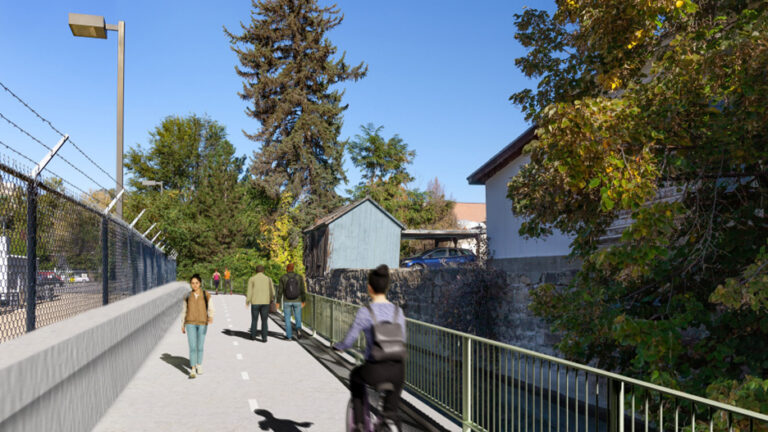
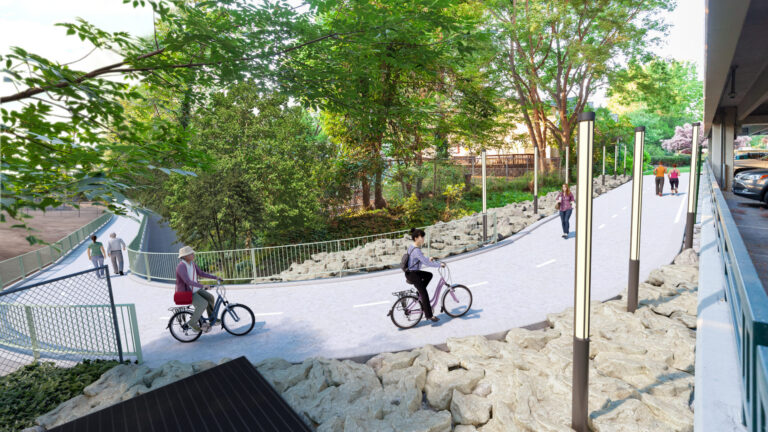
Investments in the Old Boise Blocks included new housing, a public parking garage, Kaixo Corner, improvements along Grove Street and a new pathway connecting Broadway Avenue with Third Street. That approximately 2,000-foot pathway completed an important link between Boise’s East End and downtown.
Creating the pathway required coordination with the City of Boise, Ada County, St. Luke’s, Idaho Power and canal stakeholders. The project also involved resolving complicated property ownership questions and securing public and construction easements near critical infrastructure. Woodruff emphasized that cooperation made it possible to overcome those constraints and create a safe connection for pedestrians, cyclists and people of all abilities.
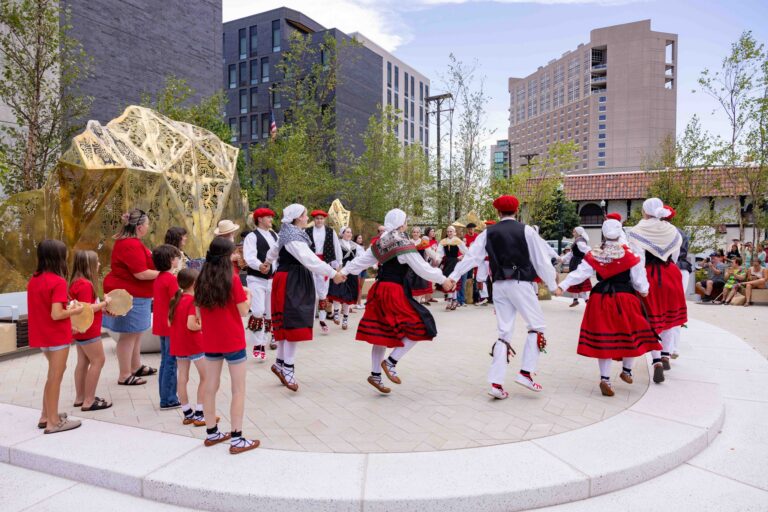
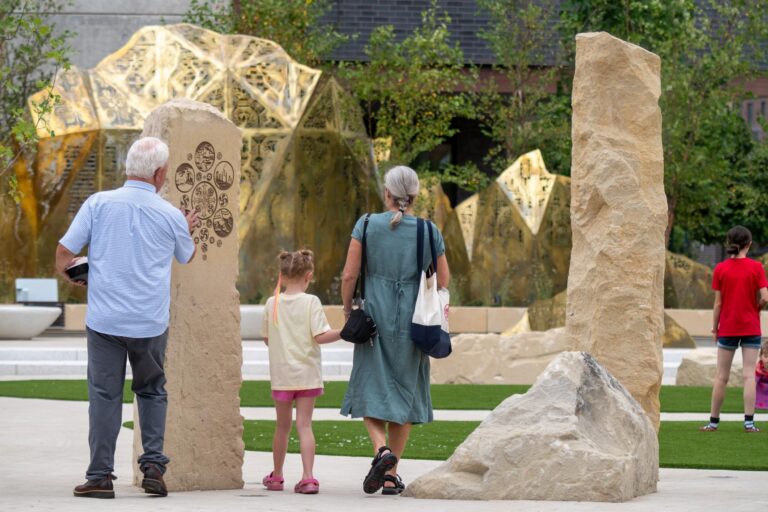
Woodruff and Brunelle also recognized the contributions of Clay Carley and his family, who advocated for including Old Boise in the River Myrtle district and later participated in several housing developments. They discussed the importance of longtime neighborhood businesses, property owners and Boise’s Basque community in preserving the area’s identity. Kaixo Corner became a welcoming public space that celebrated both the Basque Block and Old Boise’s broader multicultural history.
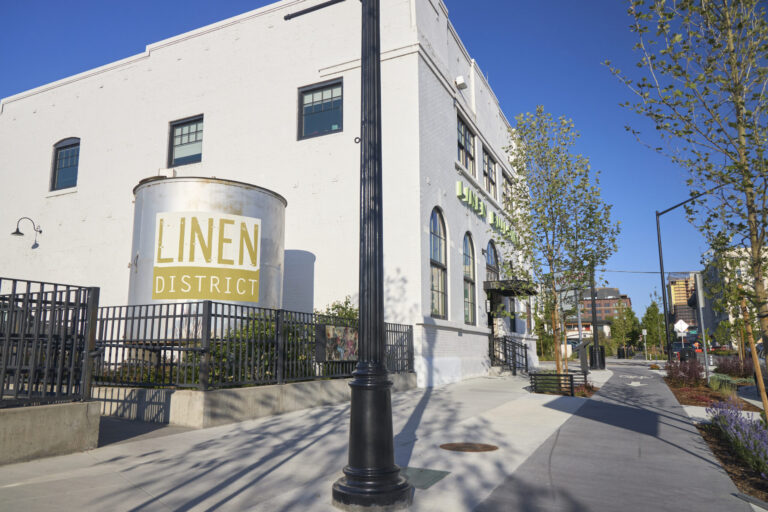
Moving west, the interview examined the Rebuild Linen Blocks on Grove Street project. Woodruff described it as an extension of Grove Street’s role as an east-west connection through downtown. CCDC began by working with area businesses and property owners to understand the neighborhood’s character and future needs.
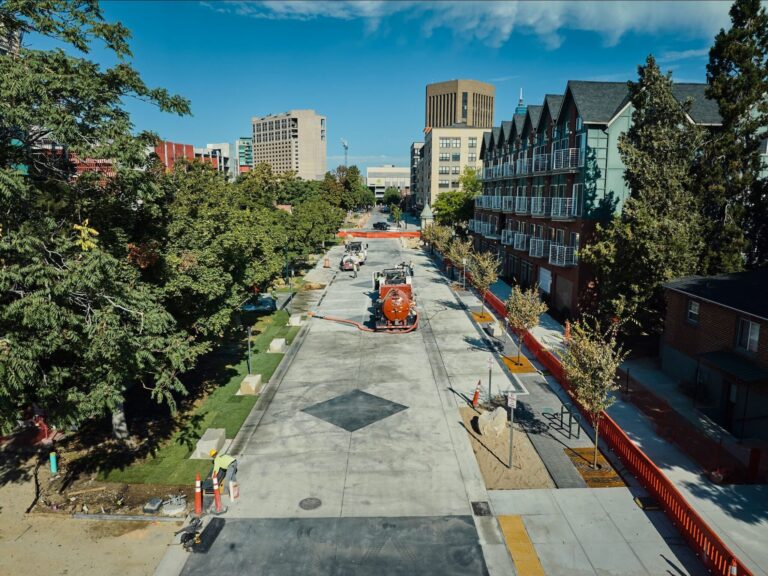
The resulting improvements supported existing automotive businesses, bookstores, coffee shops and emerging retail uses while preparing the area for new hotels and housing. CCDC coordinated street construction with projects including the Broadstone Saratoga, Hotel Renegade and The Sparrow. New sidewalks, utilities, landscaping, bicycle facilities and other public improvements helped transform an area once dominated by gravel lots and deteriorated sidewalks.
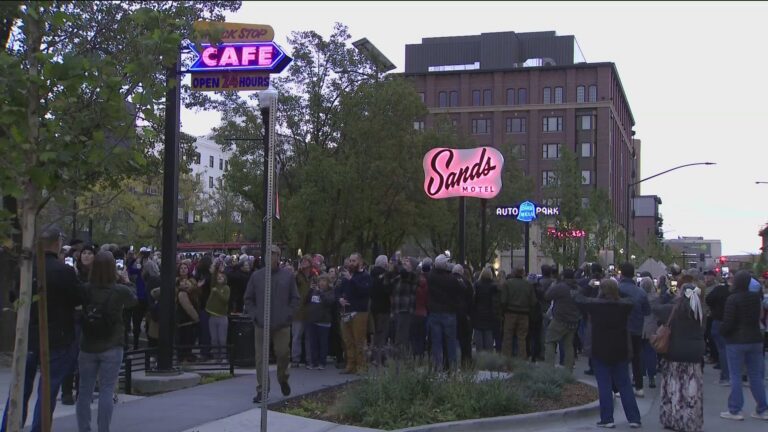
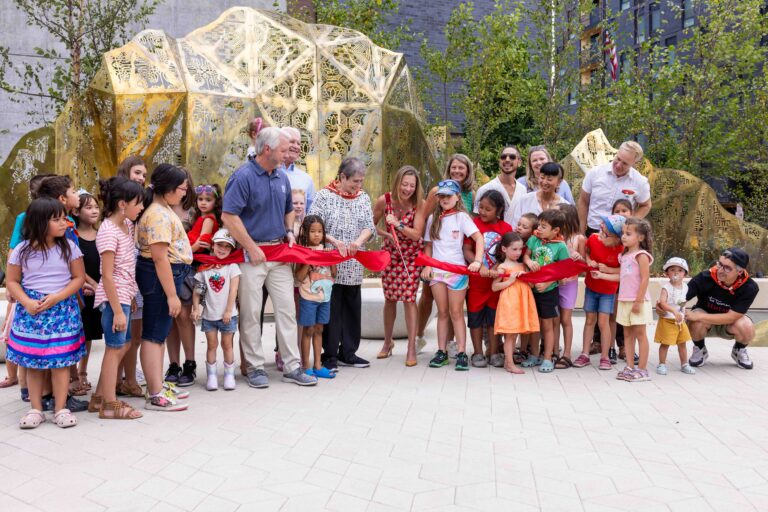
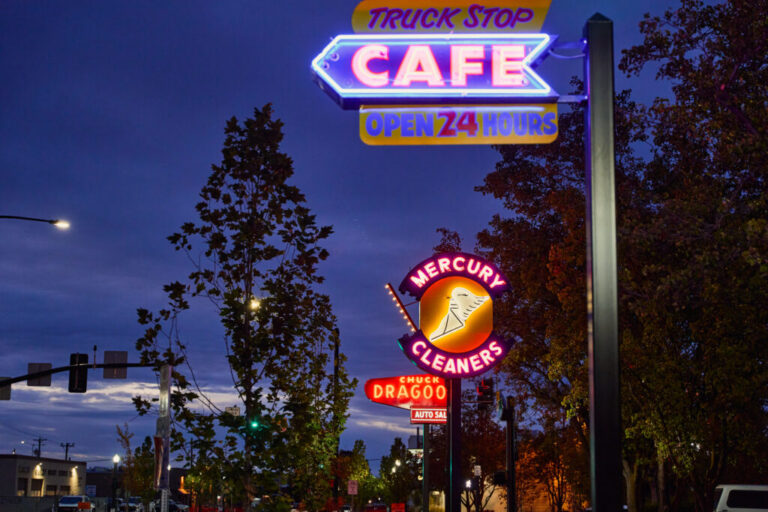
One of the Linen District’s most distinctive additions was Neon Grove, an outdoor gallery of restored vintage Boise signs. The project grew from the collection assembled by Vangie Osborn and her nonprofit, Signs of Our Times. CCDC funded restoration work and helped coordinate the complex easement, permitting, construction and ownership issues associated with displaying historic signs as a public cultural asset.
Woodruff credited CCDC Senior Project Manager Amy Fimbel with leading the Grove Street construction, coordinating nearby private developments and managing the Neon Grove partnerships. Rocket Neon, the City of Boise and the Mayor’s Office also played important roles, with the city accepting responsibility for the gallery’s long-term care.
Looking ahead, Woodruff described urban renewal as a tool that helped communities reinvest in themselves. He called it the “quiet hand” behind much of downtown Boise’s success, noting that private partners frequently said their projects would not have been possible without CCDC’s participation.
Woodruff also addressed the challenges created by reducing the allowable duration of Idaho urban renewal districts from 30 years to 20. Because major infrastructure and development projects must progress through planning, economic cycles and reimbursement processes, shorter district timelines can limit what agencies and their partners are able to accomplish.
Despite those challenges, Woodruff remained optimistic. As the Treasure Valley continued to grow, he saw an ongoing need to reinvest in downtown, commercial corridors, industrial areas and transit-oriented districts. The success of Boise’s downtown demonstrated what urban renewal could achieve when public agencies, private developers and community members worked toward a shared vision.